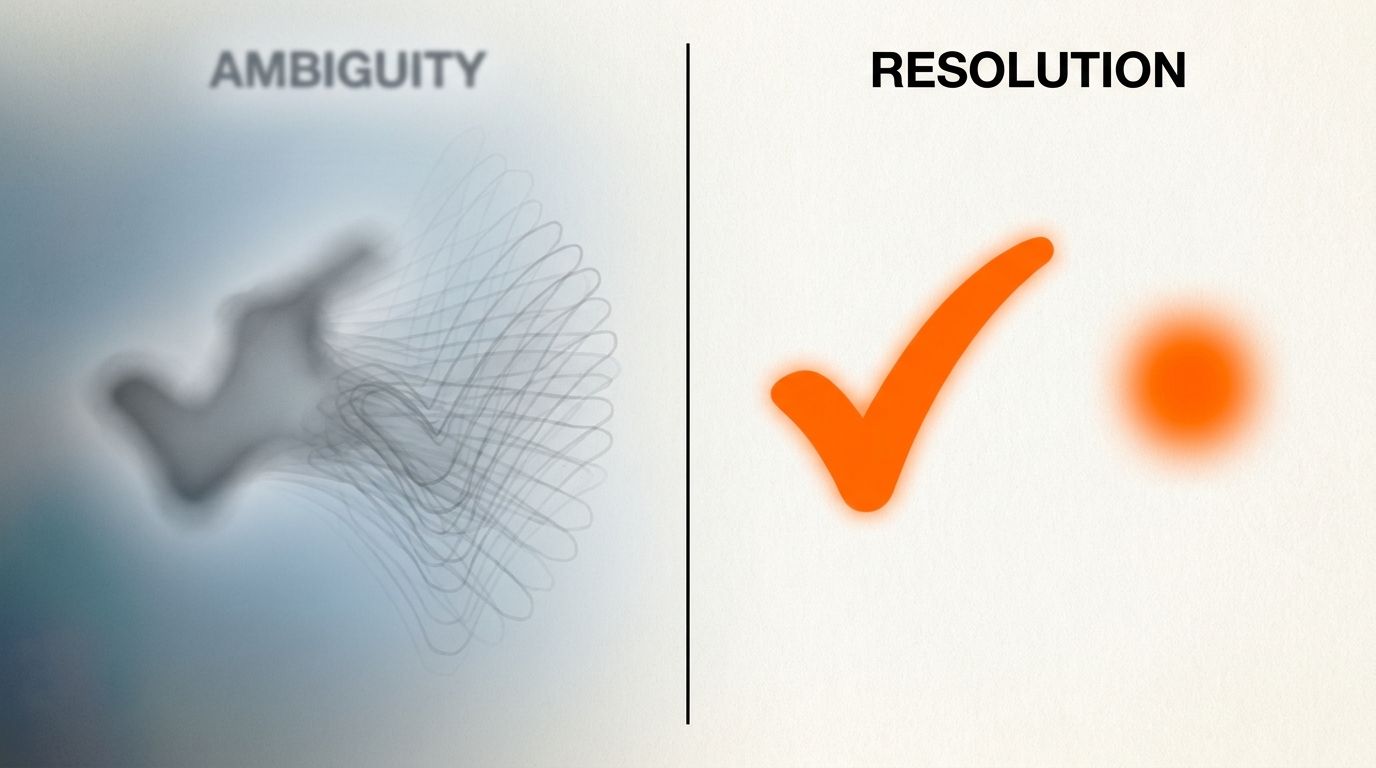
A distinctive brand name is easier for AI engines to treat as an entity; a generic one is a liability. When your name is a common phrase (a category term, a dictionary word, a name shared with other companies), engines struggle to separate you from the noise, which weakens citation and invites entity confusion. A distinctive name is unambiguously yours, so engines attach your facts, reputation, and citations to one clear entity. You do not always get to choose the name, but you can strengthen a weak one with a strong entity home, consistent identity signals, and disambiguating context. The goal is a name an engine can resolve to exactly one thing: you.
Brand naming is usually a marketing and legal decision, and its AEO consequences go unconsidered. For answer engines, your name is the key they use to attach everything they know about you, your facts, your reputation, your citations, to a single entity. A name that resolves cleanly to one entity makes that easy. A name that collides with a category term, a common word, or another company makes it hard, and the difficulty shows up as weaker citations and more confusion. This article is about that tradeoff, and about strengthening a name you may already be stuck with.
The core property is resolvability: can an engine map your name to exactly one entity. Distinctive names are resolvable, generic ones are not, and resolvability is a direct input to how confidently an engine cites you.
Why generic names hurt
When your name is a common phrase, engines cannot cleanly separate you from everything else that shares it. A brand named after a category term competes for its own name against the category itself; a brand named with a common word competes against every other use of that word; a brand sharing a name with other companies gets its facts and reputation mixed with theirs. The result is diluted, uncertain entity signal, and since citation depends on the engine confidently knowing who you are, a name it cannot resolve is a name it cites less and confuses more. This is the naming root of the entity confusion covered in adversarial AEO: a generic name is pre-confused before anyone attacks it.
Why distinctive names help
A distinctive name, coined, unusual, or unambiguously specific, resolves to one entity: yours. Everything an engine learns about the name attaches to you, because there is nothing else for it to attach to. Your facts stay yours, your reputation stays yours, your citations concentrate on one clear entity. This is why coined names are strong AEO assets even when they mean nothing at first: the emptiness is the feature, since it lets you fill the name with exactly one meaning. A distinctive name is the naming layer of a strong entity home, it gives the entity a clean handle.
Strengthening a name you cannot change
Most brands cannot rename, so the practical work is strengthening a weak name's resolvability. Three levers do it. A strong entity home that unambiguously defines who you are, so even a generic name has one clear anchor an engine can attach to. Consistent identity signals across every source, so your version of the name is the corroborated one, the sameAs anchoring that ties scattered references to one entity. And disambiguating context, pairing your name with your category, location, or distinctive descriptor consistently ("Summit, the AEO auditing firm") so the engine has the extra signal it needs to separate you from the collisions. You cannot make a generic name distinctive, but you can make one entity around it unmistakably clear.
Naming a new brand
If you are naming from scratch, resolvability is worth weighting alongside the usual criteria. A distinctive, coinable name that does not collide with a category term, a common word, or existing companies is a lasting AEO asset, it gives you a clean entity handle from day one. Check the name against the engines before committing: search it, ask an engine about it, and see whether it already resolves to something else. A name that returns a crowded, ambiguous result is a name you will fight for years; a name that returns nothing is an empty space you can own. This is a cheap check with a long payoff.
The tradeoff with memorability
Generic names are often chosen because they are descriptive and memorable, and that is a real benefit for humans that trades against resolvability for engines. The resolution is not to pick an unpronounceable string, but to find a name distinctive enough to resolve cleanly while still usable, and then to reinforce it with the entity work above. The balance is a business judgment, but it should be made with the AEO cost of a generic name visible, because that cost is usually invisible until the citations do not concentrate and no one can say why. Monitoring how engines describe and identify your brand tells you whether your name is resolving as you intend.
The naming instinct favors clear, descriptive, category-anchored names, and for answer engines those are often the weakest choice, because a name that describes your category is a name you share with your category and every competitor in it. The strongest AEO name is frequently the one that meant nothing before you gave it meaning, since an empty name has room for exactly one entity: yours. In the selection economy, a name an engine can resolve to one thing is worth more than a name a human immediately understands, and the brands that grasp this early get an entity handle their generically-named competitors spend years trying to manufacture.
Sources
- Google, creating helpful, reliable, people-first content: the entity clarity and trust signals engines reward. developers.google.com
- Schema.org, Organization: the structured-data type for declaring brand identity. schema.org/Organization
- Website AI Score, the entity home: the anchor that strengthens a weak name's resolvability. View article
- Website AI Score, adversarial AEO: how a generic name invites entity confusion. View article
- Website AI Score, knowledge graph injection with sameAs: anchoring your name to one entity across sources. View article