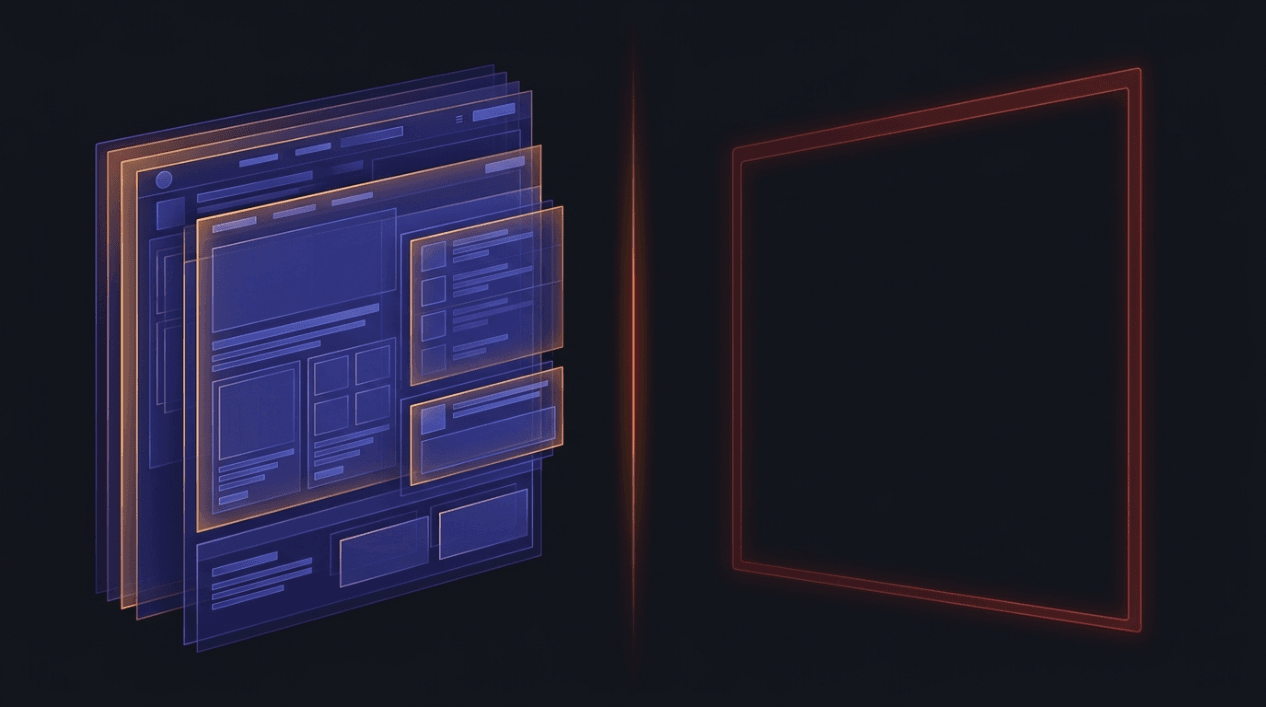
You can rate your website for AI search in about a minute, for free, with no signup and no card. Paste a URL into the Website AI Score free scan and it runs the same 10-check audit the paid version uses, scores the page across six LLMs (GPT, Claude, Gemini, Llama, Perplexity, Grok), and shows you exactly what is broken and why. The score tells you whether AI engines can read, understand, and cite the page. What a real AI rating measures is not design or speed; it is machine readability, structure, entity clarity, and current citation standing. This is what the scan checks, how to read the score, and what to do with it.
"Rate my website" used to mean a design opinion or a speed grade. For AI search it means something specific and measurable: can ChatGPT, Gemini, Claude, and Perplexity actually read this page, understand what it is, and quote it when someone asks a relevant question. A page can be beautiful and fast and still be invisible to every AI engine, which is why the rating that matters now is a machine-readability rating, and why the tools built for Google-era grading miss it entirely.
The free scan answers that question without friction: no account, no card, one URL, one score, and a list of the specific things costing you citations.
What does the free AI website scan actually check?
Ten checks, grouped into the layers that decide citation. Readability: whether the content arrives as text an engine can parse or hides in JavaScript that leaves an empty shell, the single most common silent failure, covered in depth in the empty-shell rendering audit. Structure: whether the answer to the page's own question appears early and in an extractable block, or is buried under preamble. Entity: whether the page declares who is behind it in a way engines can verify, with schema that parses and an identity that corroborates. And standing: how the six LLMs currently treat the page, which is the part no offline tool can tell you. Each check maps to a layer in the full AEO signal set, so a low score always points at a specific, fixable cause rather than a vague grade.
Why is the score computed across six LLMs?
Because each engine can produce a different retrieval and citation outcome for the same page, and a single-model rating lies by omission. A page can score well on GPT and fail on Perplexity, because their retrieval and trust behaviors differ. The scan runs the page against six models in parallel and returns a per-model breakdown, so you see where you are visible and where you are not, instead of an average that hides the failure. For a brand, the question is never "does AI like my site," it is "which engines can cite me and which cannot," and the answer is only useful per model.
How do you read the score?
Read it as a diagnosis, not a grade. The score is a diagnostic measure of AI readiness, not a guarantee that an engine will cite the page for a particular query. The number tells you how far the page is from being reliably citable; the fix list tells you why, and, more usefully, what kind of fix each issue needs. The scan labels every finding by category: schema and structured-data fixes are copy-paste into your CMS, content fixes (a missing direct answer, a restructured section) anyone can do, and server-side rendering fixes are a developer job. That categorization is what turns a score into a plan, because the most common waste in AI visibility is buying content for a page engines cannot read, and the scan tells you which problem you actually have before you spend on the wrong one.
What separates an AI rating from an old website grader?
Traditional graders were built around conventional search: speed, mobile layout, meta tags, keyword presence. Those still matter for ranking and still say nothing about citation. An AI rating measures selection, whether an engine assembling an answer will pick your page as a source, and selection depends on properties the old tools never checked: extractable answers, chunk-safe structure, verifiable entity, cross-model standing. A site can pass every classic grader and score poorly here, because ranking and being cited are different contests. If your only rating comes from a Google-era tool, you have not been rated for AI at all.
What do you do after the scan?
Fix in order of dependency: readability first, then structure, then entity, then content, because each layer depends on the one below it. The free scan shows you what is broken; generating the fix and validating it after you apply it takes credits, and every new account gets 10 free. Those credits open the Content Creator, which diagnoses the specific content gaps on a page for one credit and writes the missing, citable content for four, so the path from "rated" to "fixed" is one scan, one registration, and a few credits, not an agency engagement.
A number is what people come for and the least valuable thing the scan produces. The fix list is the asset, because a score without a cause is a grade, and a score with a categorized cause is a plan. Rate the page, read why it scored what it scored, and fix the cheapest broken layer first. That sequence beats a higher number on a tool that never looked at what the engines see.
Sources
- Google, AI features and your website: what determines appearance in AI Overviews and AI Mode. developers.google.com
- OpenAI, ChatGPT search: how ChatGPT retrieves and cites live web sources. help.openai.com
- Website AI Score, free scan: the 10-check, six-LLM audit with no signup. websiteaiscore.com
- Website AI Score, AEO scoring signals: the complete signal set behind each check. View article
- Website AI Score, empty-shell rendering audit: the most common silent failure the scan catches. View article