You get traffic from Perplexity by being one of the sources it cites, because Perplexity shows its sources as clickable citations next to every answer, and those citations are the referral. Unlike engines that bury sources, Perplexity's interface makes the citation the traffic mechanism. To be cited you need three things: your page must be readable to PerplexityBot (no client-side-only content, no accidental blocking), it must answer a specific question directly and early, and it must carry enough specificity and trust to beat the other candidates. Check readability in a minute with the free scan, which scores Perplexity separately from the other five engines, then close the content gaps it finds.
Perplexity is the AI engine where citations most directly become visits. Every answer shows numbered source cards, users click them at meaningful rates, and the referral arrives in your analytics with a Perplexity source. That makes it the cleanest place to learn how AI referral traffic actually works: the loop from being readable, to being cited, to being clicked, is visible end to end. Win Perplexity and you have a template for the others.
Everything below is about widening one path, citation to click: more citations, on more relevant questions, with a source card compelling enough to click.
How does Perplexity decide what to cite?
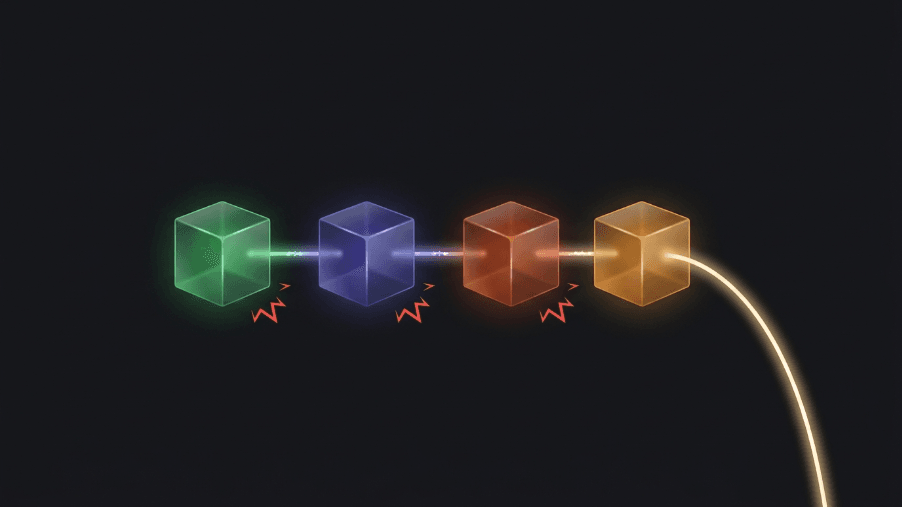
Perplexity grounds answers in live web retrieval. For a query it runs a search, fetches candidate pages, and synthesizes an answer that cites the pages it actually used. That means citation depends on being retrievable (the page has to surface in the search step), readable (PerplexityBot has to receive real content when it fetches), and useful (the passage has to answer the question directly enough to be worth quoting). The full path is crawlable, retrievable, relevant, cited, clicked, and each stage can fail independently. Pages fail at each stage for different reasons, and the free scan's per-engine breakdown shows Perplexity's verdict on its own, because a page that wins on GPT can lose on Perplexity and an averaged score hides it.
Why are you not getting Perplexity traffic now?
Usually one of three reasons, in this order of likelihood. The page is not readable to the crawler: content rendered client-side arrives as an empty shell, or PerplexityBot is blocked in robots.txt, or a bot-protection layer challenges it. The page is readable but not citable: the answer is buried under preamble, the sections do not stand alone, or the page restates the consensus without adding anything, so a competitor's more specific page gets the citation. Or you are cited but not clicked: the source card shows a weak title or the cited passage does not make the reader want more. Diagnose in that order, because fixing citability on an unreadable page changes nothing, which is the point of checking invisibility before optimizing.
What content does Perplexity cite most?
Pages that answer a specific question with a specific, liftable passage. Perplexity's synthesis quotes sources fairly literally, so the passage that gets cited is usually a clean paragraph stating a fact, a figure, a comparison, or a step, early in the page and free of preamble. That rewards the answer-first structure and punishes long introductions. It also rewards specificity over breadth: a focused page that fully answers one question outperforms a sprawling guide that touches twenty, because the engine wants one clear source per sub-question and a focused page is the obvious pick.
How do you turn citations into clicks?
Being cited does not automatically mean receiving traffic; the citation has to expose a path the user actually follows. The source card shows your title and a snippet, and both are under your control. A title that promises a specific answer ("what it costs, with ranges") outperforms a generic one. A cited passage that is complete but implies more depth on the page earns the click; a passage that gives everything away in one line does not. This is the one place where the AEO instinct to answer fully in the first hundred tokens needs balance: answer the question, then make it clear the page holds the rest, the worked example, the caveats, the comparison, so the card is worth clicking. Track the results with correctly filtered analytics, because misattributed AI referrals will otherwise hide whether any of this is working.
What is the fastest path from zero to Perplexity traffic?
Run the free scan on your three most valuable pages and read the Perplexity column specifically, no account needed. Fix any readability failure first, since nothing else counts until the bot gets real content. Then register for the 10 free credits and use the Content Creator's Diagnose mode to find the gaps between each page and the question you want it cited for, one credit each, then Rewrite the weakest page for four so the answer sits early and the sections stand alone. Re-scan, and watch the referral source in analytics over the following weeks. The whole loop costs nothing but the credits you were given.
Advice about AI traffic tends to treat the engines as a black box to appease. Perplexity disproves that framing by showing its sources and letting you watch the citation become the click. Win here first, deliberately, and you have learned the mechanism the other engines hide. The traffic is real, it is measurable, and it goes to whoever gave the engine the cleanest answer to fetch.
Sources
- Perplexity, PerplexityBot and crawler documentation: how Perplexity's crawler accesses and uses web content. docs.perplexity.ai
- Google Analytics, traffic acquisition: the basis for attributing AI referral sessions correctly. support.google.com
- Website AI Score, free scan: Perplexity scored separately from the other five engines. websiteaiscore.com
- Website AI Score, Perplexity traffic and GA4 filters: measuring the referrals once they arrive. View article
- Website AI Score, the inverse pyramid: the answer-first structure Perplexity quotes. View article